

Suicide Intervention & Prevention
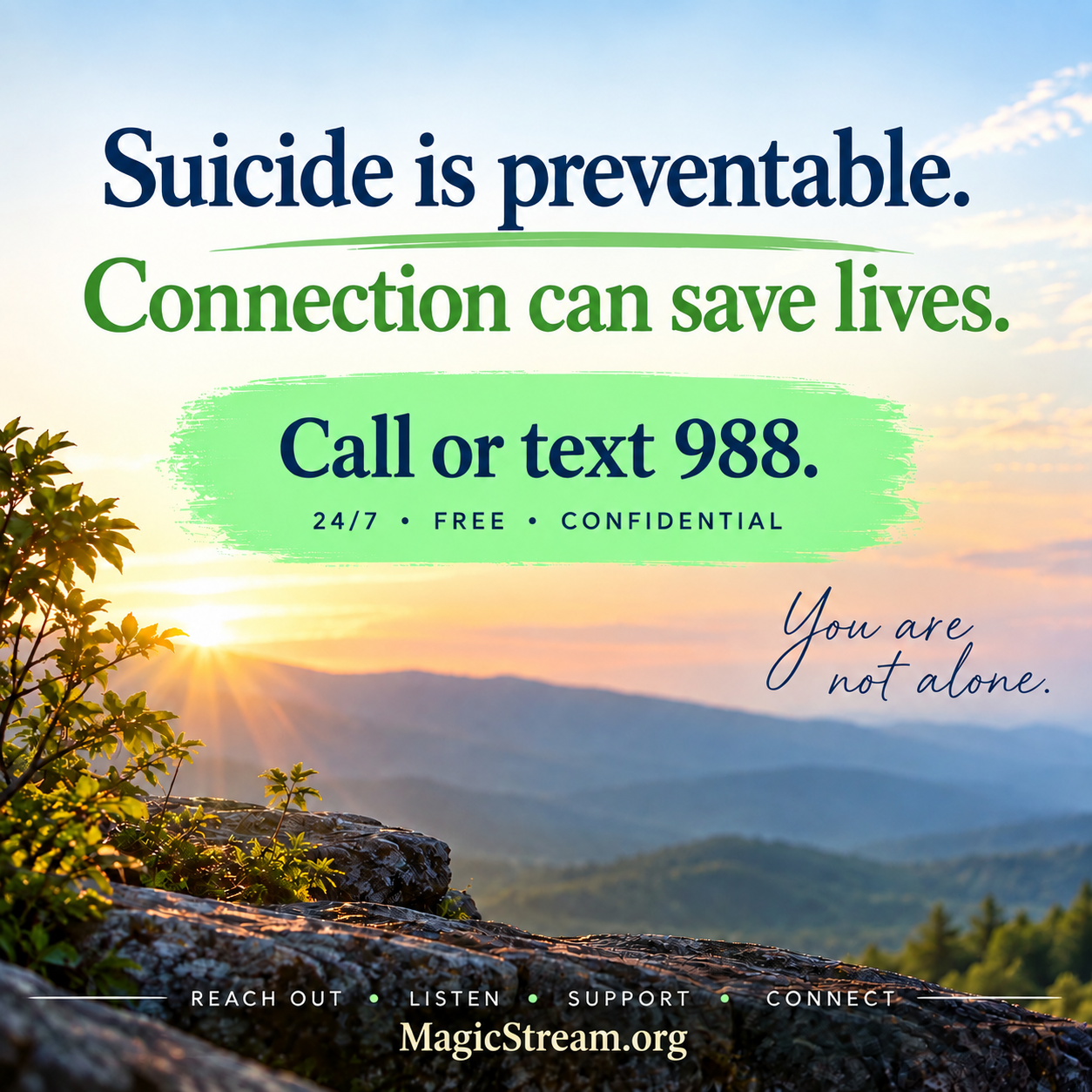
In the United States, call or text 988, or use the 988 Lifeline chat.
It's free, confidential and available 24/7.
You do not have to be suicidal to contact 988.
Veterans can call 988 and press 1.
Deaf/Hard-of-Hearing users have relay, videophone and chat options.
If someone you know has said they are going to kill themselves, take them seriously. If they have said it a hundred times, take them seriously. There have been many instances where a person said they were going to kill themselves and were not taken seriously because they had said it so many times before. Repeated talk of suicide can be a sign of serious emotional distress and should never be dismissed. Depression and other mental health conditions can increase suicide risk, and treatment can help.
Be aware though that suicide is not always a long term plan for long term pain. It can be a risk anytime the pain, whether it is emotional or physical makes life seem like it is not worth living. Individuals who have recently experienced a great personal loss or tragedy are often at a higher risk for suicide than they would be on an everyday basis. Rape victims fall into that category, as do those who have suffered a great personal loss or even just witnessed that loss. Caregivers and rescuers in times of great disaster, may well need counseling at some point to safely work through issues that develop as a result of the horror they have witnessed.
Talking and staying connected can be an important source of support. Extended family, friends, church, community, neighbors and school still offer the first line of support in times of disaster. If to every time there truly is a season, a time of great emotional turmoil or disaster is truly the time to reach out and come together for mutual support.
Often, as in the case of violence or physical disasters, there is a lot (maybe seemingly overwhelming amounts of work) that has to be done just to survive. That in a time when every step may be excruciating. Somewhere in there though is the time and need to talk. From the outside looking in, talking to someone working through a trauma may seem endless. They may need to talk about it way past the point where anyone wants to listen, and it's still not enough. They still need to talk and maybe talk some more. You may need to as well.
That given, if a person close to you has mentioned suicide, talk about it to them. If you even think they may be at risk, talk about it. Find out if they have the means, or have already injured themselves. It is a good idea if you have a suicidal family member to remove the means, (i.e. if you have guns in the house, you might not want them just now. Are medications locked away? Look around your house and try to remove the means. Don't make it easy). How do they plan to do it. Do they have the means? Have they planned it out? How serious and immediate are the plans? Do they have future plans, for tomorrow, or are there no future plans? Are they putting their affairs in order now?
Are they intoxicated, or have they been using drugs. Alcohol and drug use can increase suicide risk, particularly during a crisis. Those who abuse alcohol and drugs are at high risk. If the person has already injured themselves or the danger is immediate, you may have to call for help. 911 intervention may be necessary. If a person has attempted to kill themselves you may save their life, but they will still need professional follow-up care and ongoing support to resolve the issues that led to the attempt. Current NIMH warning signs include making a plan, but also include new or increasing agitation, rage, unbearable pain, dangerous risk-taking, extreme mood swings, withdrawal, substance use changes, sleep changes, and other behavioral shifts.
If you think you may be at risk, talk about it. Make a plan. What will you do, or who will you call if you find that you are suicidal?
If you have already had suicidal thoughts, take steps to take care of yourself. You need to reach outside yourself for help. Is there a close friend you can talk to, a family member, minister or neighbor. Is there a crisis line you can call. Many areas have 24 hour trained counselors who can talk you through your feelings, and the service is free.
Many county mental health centers have counselors on call. Grohol's Webpage has a listing of on line services where you can connect with volunteers via e-mail. You might also want to check out the Web Dex on Support Services for connecting with others and work toward resolving some of those issues that lead up to the suicide attempt. Make a list of your support resources and once you have made your list, use it. What will you do to take care of yourself? Is it time to check into a hospital?
If you or someone you love is suicidal, it is time to reach out. Professional help is often covered by insurance. Many counseling centers will work on a sliding fee, and services may be free from your mental health center if there is financial need. Trained volunteer counselors may be free through local crisis lines, and are there because they care. Call your area directory assistance or go online at http://www.befrienders.org/ for the phone number. Use their services, find out from them what other services are available in your area, then use those services. Most of all connect.
Articles
Join A Support Group And Reduce Your Stress Levels -- By Royane Real. When you are facing a particularly difficult time in life, support groups can help you on your journey.
A Mother Speaks Out -- By Leslie Sadasivan. "For 2 years prior to his death the change in Robbie from a happy fun loving child to a reclusive moody teenager had profoundly affected our family. I initially dismissed his change in behavior as typical of being an adolescent."
Web Resources
American Foundation for Suicide Prevention (AFSP) -- Funds research, creates educational programs, advocates for public policy, and supports survivors of suicide loss.
Befrienders Worldwide -- "We work worldwide to provide emotional support, and reduce suicide. We listen to people who are in distress. We don't judge them or tell them what to do - we listen."
If You Are Thinking About Suicide -- Read this first.
Dr. Grohol's Suicide Project - Suicide Resources on the Internet. Includes information on email support groups.
National Organization Of People Of Color Against Suicide -- NOPCAS.
SA/VE -- Suicide Awareness \ Voices of Education. The mission of SA\VE is to educate about suicide and to speak for suicide survivors.
The Samaritans -- Confidential emotional support to any person who is suicidal or despairing; and that increases public awareness of issues around suicide and depression.
Suicide Helplines -- International listing. Find a suicide helpline near you.
Suicide Memorial Wall -- A tribute to lost loved ones.
The Trevor Project -- The Trevor Project is the leading national organization providing crisis intervention and suicide prevention services to lesbian, gay, bisexual, transgender, and questioning youth.
who share in the one journey
that can never be made alone
Important: The information provided on this page is for educational and informational purposes only. It is not medical or mental health advice and is not intended to diagnose, treat, or replace care from a qualified healthcare or mental health professional.
Suicidal thoughts, intentions, attempts, or threats may constitute a life-threatening emergency. If you or someone else is in immediate danger, seek emergency help now. Do not rely on this website or other online information in place of emergency or professional care.
Magic Stream provides links and information from a variety of sources for further education. Sources may differ in their recommendations and viewpoints, and inclusion of a resource or link does not constitute an endorsement or guarantee of its accuracy. Use this information to help you ask questions and make informed decisions with appropriate professionals.
Copyright © 1995 - 2026 Regina Pickett Garson
Magic Stream has provided suicide-prevention resources online since the 1990s.
This page was reviewed and substantially updated in September 2026
Individual works remain the property of their respective authors or copyright holders. Nothing on this site may be reproduced without permission of the individual authors.

Join Us On
Facebook
Addictions
Aging
Autism
Contributors
Contact
Death & Grief
Depression
Disabilities
Disaster
Domestic Violence
Fairy Tale
Gender Issues
Homeless
Jobs
Panic & Anxiety
Personal Growth
Personality Tests
Recovery
Reference
Self Defense
Self Help
Site Map
Stress
Submissions
Suicide
Support Services
Teachers
Therapy
Trauma
Violence
Women